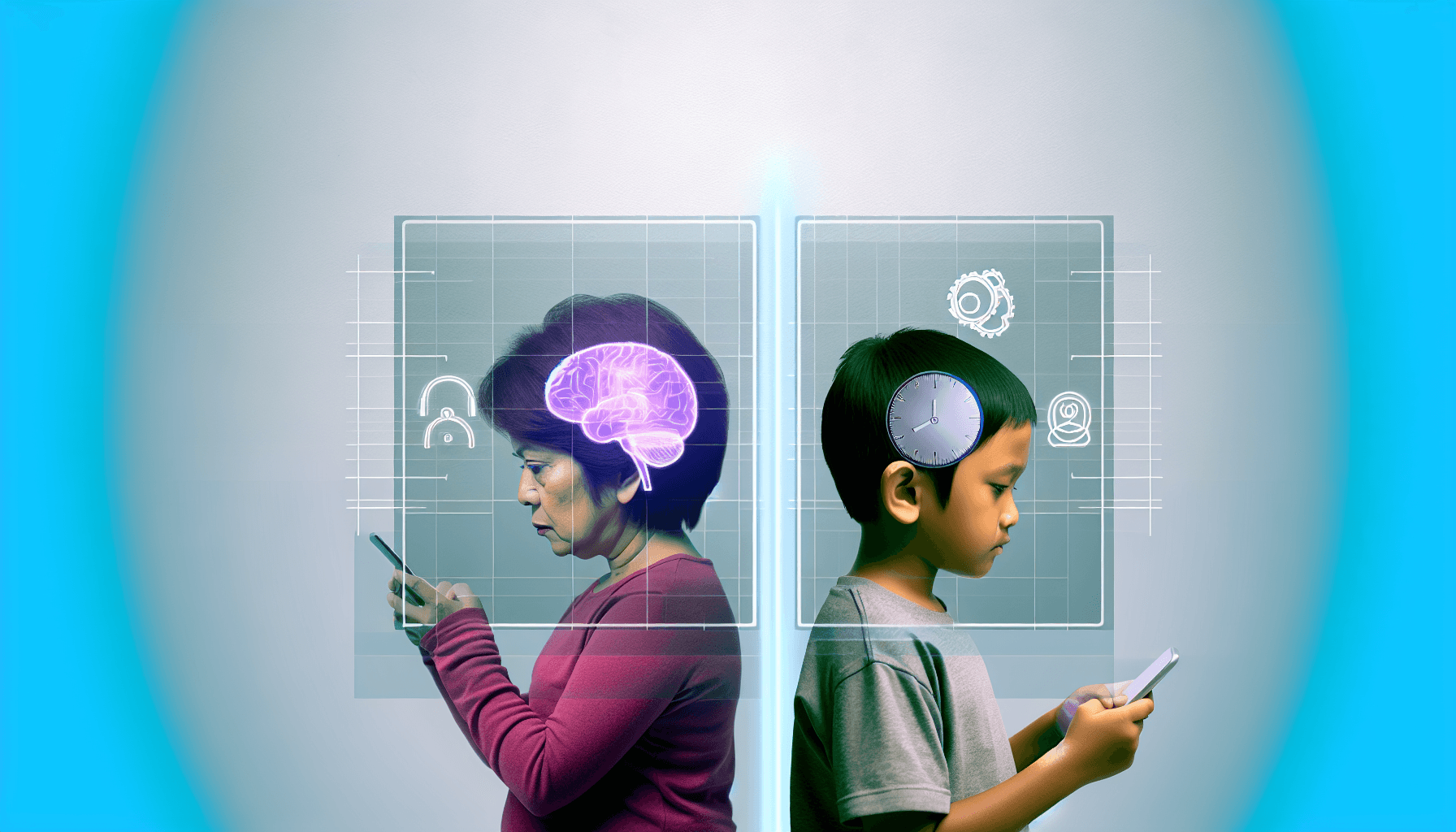
The Impact of Screen Time on Children and the Fundamental Difference with Adults
In our digital age, screens are everywhere. Children and adults alike are spending more time on devices than ever before. But how does this impact our health and well-being? And more importantly, how do the effects differ between children and adults? These are the questions we'll explore today.
Screen Time and Dopamine Release
Our love for screens, especially for short videos on platforms like TikTok and Instagram Reels, can be traced back to dopamine, the brain's reward molecule. When we watch these quick, entertaining videos, our brain releases dopamine, making us feel good and encouraging us to keep watching. However, this can lead to a dopamine overload, particularly in children.
The Developing Brain and Screen Time
Children's brains are still developing, particularly the pre-frontal cortex, the area responsible for decision-making and impulse control. This makes them more susceptible to the dopamine-driven lure of screen time. Unlike adults, children lack the biological self-control to manage their screen usage effectively. This can lead to excessive screen time, negatively impacting their sleep, academic performance, and overall health.
Want to measure this in your own day?
Prava helps you see where your attention goes and improve it with clear feedback.
The Need for External Control in Children
Given their developing brains and lack of biological self-control, children benefit from external controls on their screen time. This can be parental controls, timeouts, or using apps like PravaApp, which helps manage screen time and protect human attention. By setting boundaries and creating healthy digital habits early on, we can help children navigate the digital world safely.
Why External Control Can Be Harmful for Adults
While external controls can be beneficial for children, they can be detrimental for adults. Adults need to develop their own awareness and habits (self-control) rather than relying on external walls. This is where the fundamental difference lies between children and adults. For adults, conscious use of screens and digital well-being is vital. If adults rely too much on external controls, they may never develop the necessary self-control and awareness to manage their screen usage effectively.
Conclusion
The impact of screen time varies between children and adults due to differences in brain development and self-control abilities. While children benefit from external controls, adults need to develop their own awareness and habits. In both cases, a focus on digital well-being and conscious screen usage is key.
Whether you're trying to protect your child's attention or develop healthier screen habits as an adult, PravaApp can help. Visit the link to learn more about how PravaApp can help you achieve your digital well-being goals.